This is a chemistry diagram. To most people it looks like a jumble of balls and lines. That is completely normal.
We will break it down together, one small step at a time. By the end, you will be able to read it.
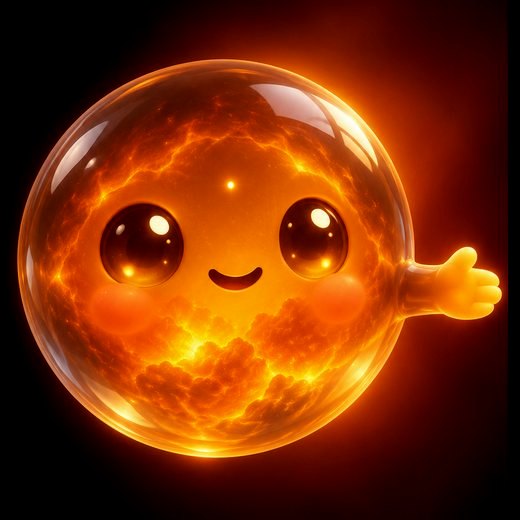 HydrogenH
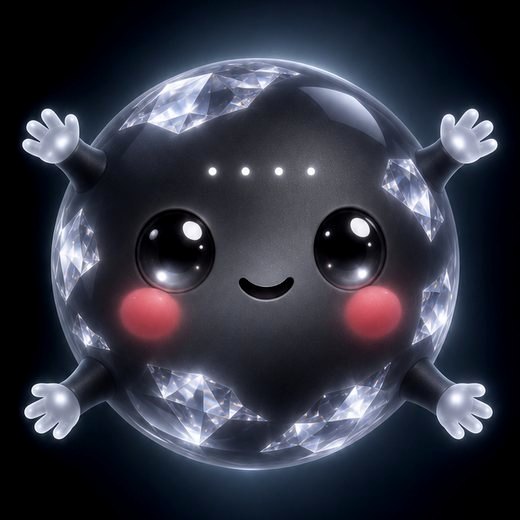 CarbonC
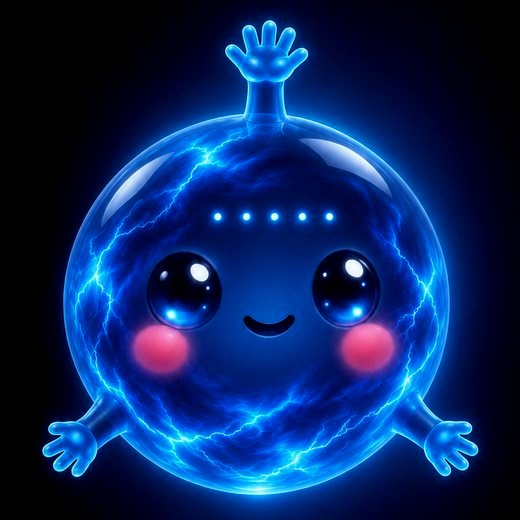 NitrogenN
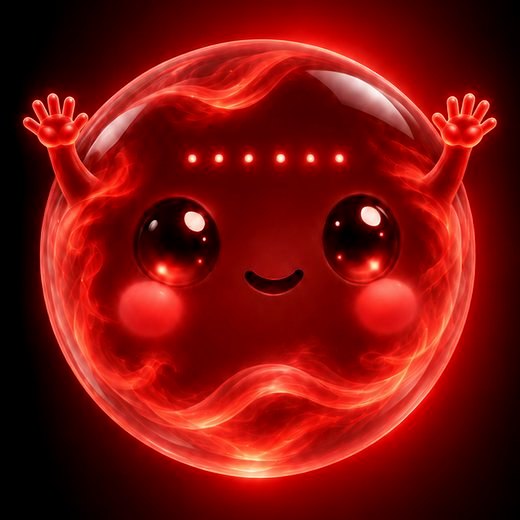 OxygenO
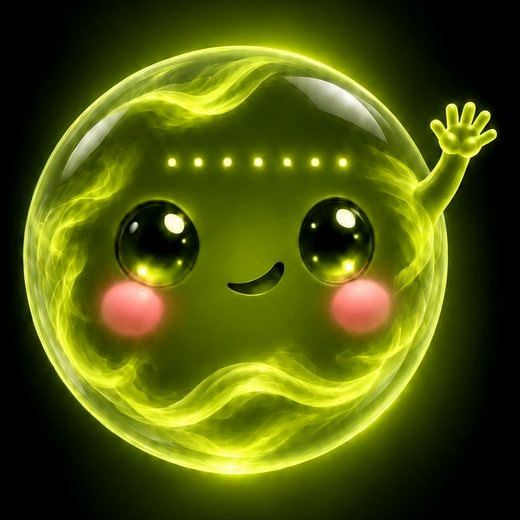 ChlorineCl
Tap each tiny ball to meet it
These tiny balls are called atoms.
HydrogenHOn its own, it catches fire very easily
OxygenOOn its own, it makes fire burn brighter
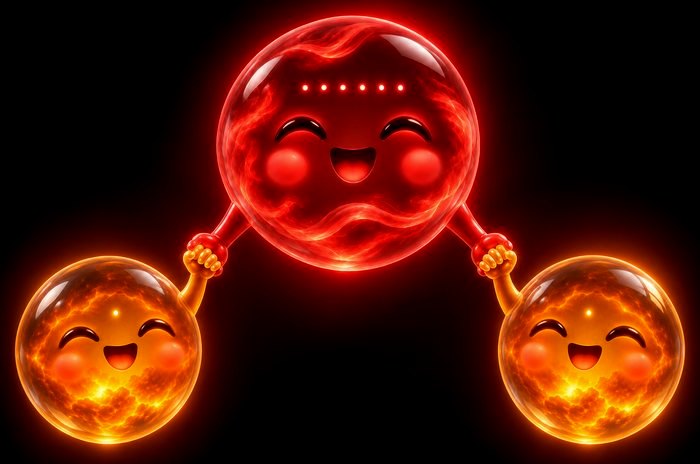 WaterH2O
Together, they put fires out
Atoms joined together are called a molecule. A molecule can be completely different from the atoms it is made of.
Heat makes the egg's molecules join up in new ways. Runny turns firm.
Your body mixes food with the oxygen you breathe in. That lets out energy.
Leaves mix carbon dioxide from the air with water, and sunlight gives the push. That makes their food.
A reaction inside the battery pushes power to your phone. Charging runs it backwards.
A reaction is when atoms let go and join up in a new way. Without reactions, nothing would ever change. Not even you.
Heat it and it melts, but it is still water. Freeze it and it is ice again.
Not a reactionHeat it and it goes firm. It is something new. You can never un-boil it.
A reactionHeat just gives atoms a push. It is only a reaction if they let go and join up in a new way, and you cannot easily undo it.
Food is made of molecules, like sugar.
Oxygen goes into your blood and meets the sugar.
That swap lets out energy to move, think and keep warm. You breathe out the leftovers.
It is the same kind of reaction as the flame on your cooker, just slow and gentle inside you. That is why you breathe out carbon dioxide.
The tiny balls.
Tiny balls holding hands.
They swap partners and make something new.
That is all of chemistry in one picture. Now let us look at each one slowly.
Atoms.
Atoms.
Atoms.
If you can touch it, drink it or breathe it, it is made of atoms.
That is roughly how many atoms would fit side by side across the width of one hair. Far too small to see.
HydrogenHCarbonCNitrogenNOxygenOChlorineClThere are 118 kinds of atom, one for each square on the periodic table. Here are 5.
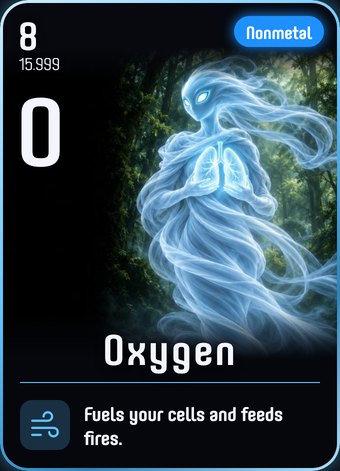 THE ELEMENTONE ATOM OF IT
An element is a substance made of only one kind of atom. Oxygen is an element. So is gold. There are 118 elements, and every Periodic Hero is one of them.
HydrogenHThe Sun runs on it
CarbonCPencils and diamonds
NitrogenNMost of the air
OxygenOWhat you breathe in
ChlorineClIts compounds keep pools clean
You meet these atoms every single day.
Which atom do you breathe in to stay alive?
Look at Hydrogen. It has 1 hand, like a person holding one dog lead.
Carbon has 4 hands. It is the friendliest atom, so it is in every living thing, including you.
HydrogenH1 handCarbonC4 handsNitrogenN3 handsOxygenO2 handsChlorineCl1 handEvery kind of atom has its own number of hands. For these five, it stays the same.
The dots on each atom's forehead are tiny bits called electrons. Oxygen shows 6. Each hand uses one of these dots to share with a partner. You do not need to count them yet. Just know what they are.
How many hands does Oxygen have?
Atoms want every hand held. Like a kid at a school disco, Oxygen goes looking for partners.
A Hydrogen grabs one hand. But Oxygen still has 1 empty hand. Not finished yet.
A second Hydrogen grabs the other hand. Every hand is held. That is water, the stuff in your kettle.
A hand-hold between two atoms is called a bond. Water has two. When atoms share like this, scientists call it a covalent bond.
Carbon has 4 hands. How many Hydrogens can it hold?
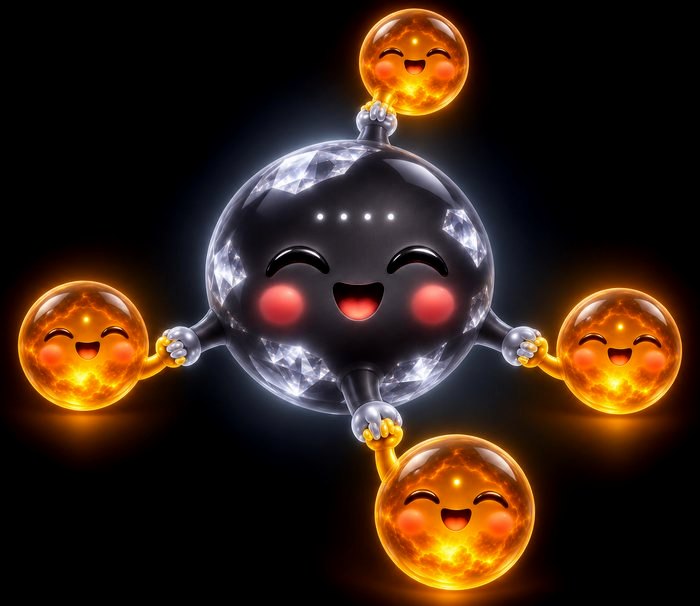 MethaneCH4
Carbon holding 4 Hydrogens. This is the gas in your cooker, called methane.
Nitrogen has 3 hands. How many Hydrogens will it hold?
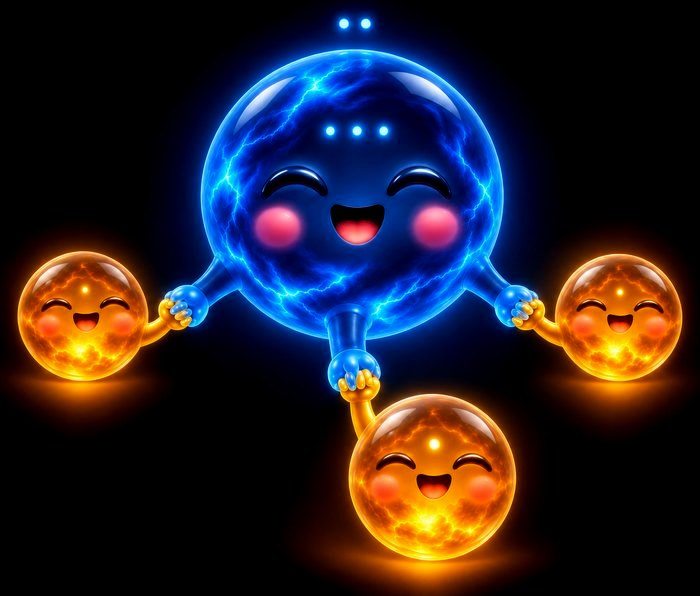
Drag a Hydrogen onto Nitrogen, or tap one.
Fill every hand. You get ammonia, used in fertiliser and cleaning products.
Chlorine has 1 hand. How many Hydrogens can it hold?
WaterH2OAtoms holding hands make a molecule. This is one molecule of water. A single raindrop holds more of them than there are grains of sand on every beach.
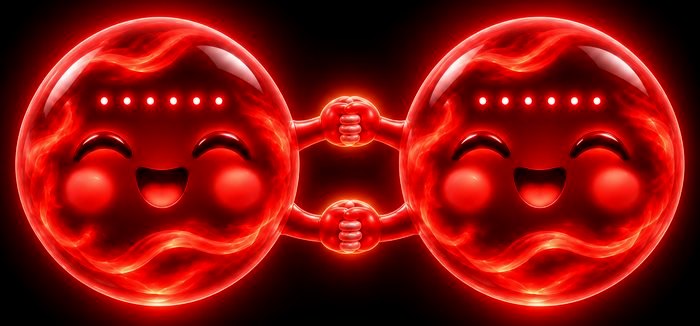 ELEMENT: ONE KIND OF ATOMCOMPOUND: DIFFERENT KINDSOxygen gasO2WaterH2O
Two Oxygens holding hands are still the element oxygen. When different kinds of atom join, like Oxygen and Hydrogen in water, it is a compound.
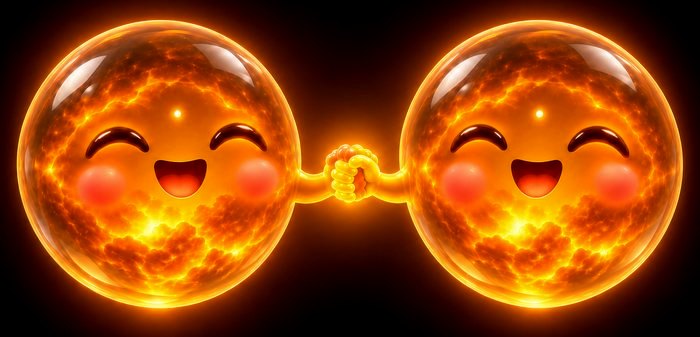 Hydrogen gasH2Oxygen gasO2
Hydrogen pairs up with Hydrogen. Oxygen pairs up with Oxygen, using both hands. The air you breathe is full of these Oxygen pairs.
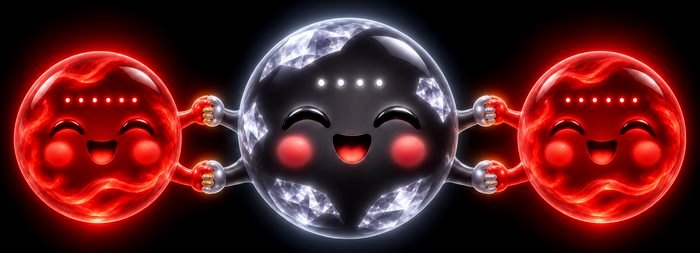 Straight line
2 sets of hands push apart until they point opposite ways.
Carbon dioxide · CO2Pyramid4 hands push apart, like 4 balloons tied together.
Methane · CH4Bent, like a boomerang2 pairs of electrons that are not holding hands (white dots) push the Hydrogens down.
Water · H2OHands push each other away, like balloons tied at the knot. They spread out as far apart as they can. That gives every molecule its shape.
Water pulls itself into drops, not flat puddles.
Ice floats on top instead of sinking.
Water climbs all the way up a tree to the leaves.
Oxygen pulls the shared pairs closer to itself, so one end of the molecule is slightly different from the other. With the bend, that makes water a little bit sticky. If it were straight, none of this would happen, and life as we know it could not exist.
No hands at all, happy on its own. It is the gas in party balloons.
HeliumHold hands to make molecules, like the ones you have just met.
OxygenBillions of atoms packed together in one huge crowd. No small groups.
GoldAll 118 are made of atoms. But only some make molecules.
Add a spark and they let go, then grab new partners. That is a reaction. This one really does go pop: in school, a squeaky pop is the test for hydrogen. Rockets use the same reaction. Most reactions are much quieter.
The atoms are the same before and after. Only the hand-holds change. Like dancers swapping partners, nobody leaves the dance floor.
Gas and oxygen swap partners and give out heat. Heat is the push that starts it.
methane + oxygen → carbon dioxide + waterThe bread's atoms swap partners and turn it brown.
sugars in bread → brown moleculesIron grabs oxygen from the air, with help from water, and turns orange.
iron + oxygen + water → rustEvery time something burns, cooks or rusts, atoms are swapping partners.
Ask yourself: is it something new, or can you easily get back what you started with?
What happens in a reaction?
You just read a real chemistry diagram. Not baffling any more.
→OUR MODELCLOSER TO THE REAL THINGA real atom is mostly empty space: a tiny centre with electrons buzzing round it like a fuzzy cloud.
The hands stand for the electrons an atom can share with another atom.
Scientists call this a model. It makes something invisible easy to picture.
Balls and hands are a model, not the real thing. In exams, saying what a model cannot show earns you marks.
That is chemistry. Now test yourself with a game.
This lesson is new. Tell us what you think: [email protected]